 PermaTherm Pete March 26, 2026
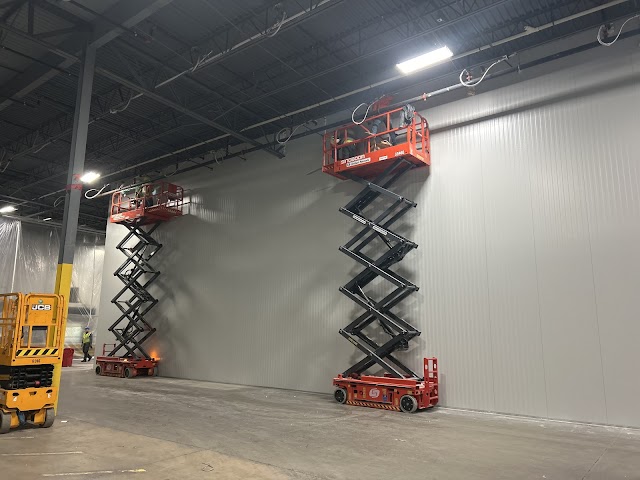
Panel spans are one of the most powerful—and often overlooked—advantages of insulated metal panels. Longer spans can dramatically reduce structural complexity, speed up construction, and lower overall project costs.
At PermaTherm, panel span capability is engineered into every system and supported with clear, accessible data.
Panel span refers to the distance an insulated metal panel can safely span between structural supports while meeting design loads and deflection criteria.
Longer spans translate to:
For large-scale industrial and cold storage facilities, these efficiencies add up quickly.
PermaTherm panels are designed to deliver exceptional span capability without sacrificing thermal performance.
Longer spans are achieved through:
Because PermaTherm already manufactures panels with higher insulation density, our panels provide both structural strength and thermal efficiency—a balance that benefits the entire building system.
PermaTherm believes engineers and designers should have access to real, usable data. That’s why panel span information is published and available under the Resources section of our
Instead of guessing or relying on assumptions, project teams can reference verified span tables to make informed decisions early in the design process—helping avoid overdesign and unnecessary cost.
Designing with longer panel spans allows for:
When panel spans are understood and leveraged properly, they become a strategic advantage—not just a technical detail.
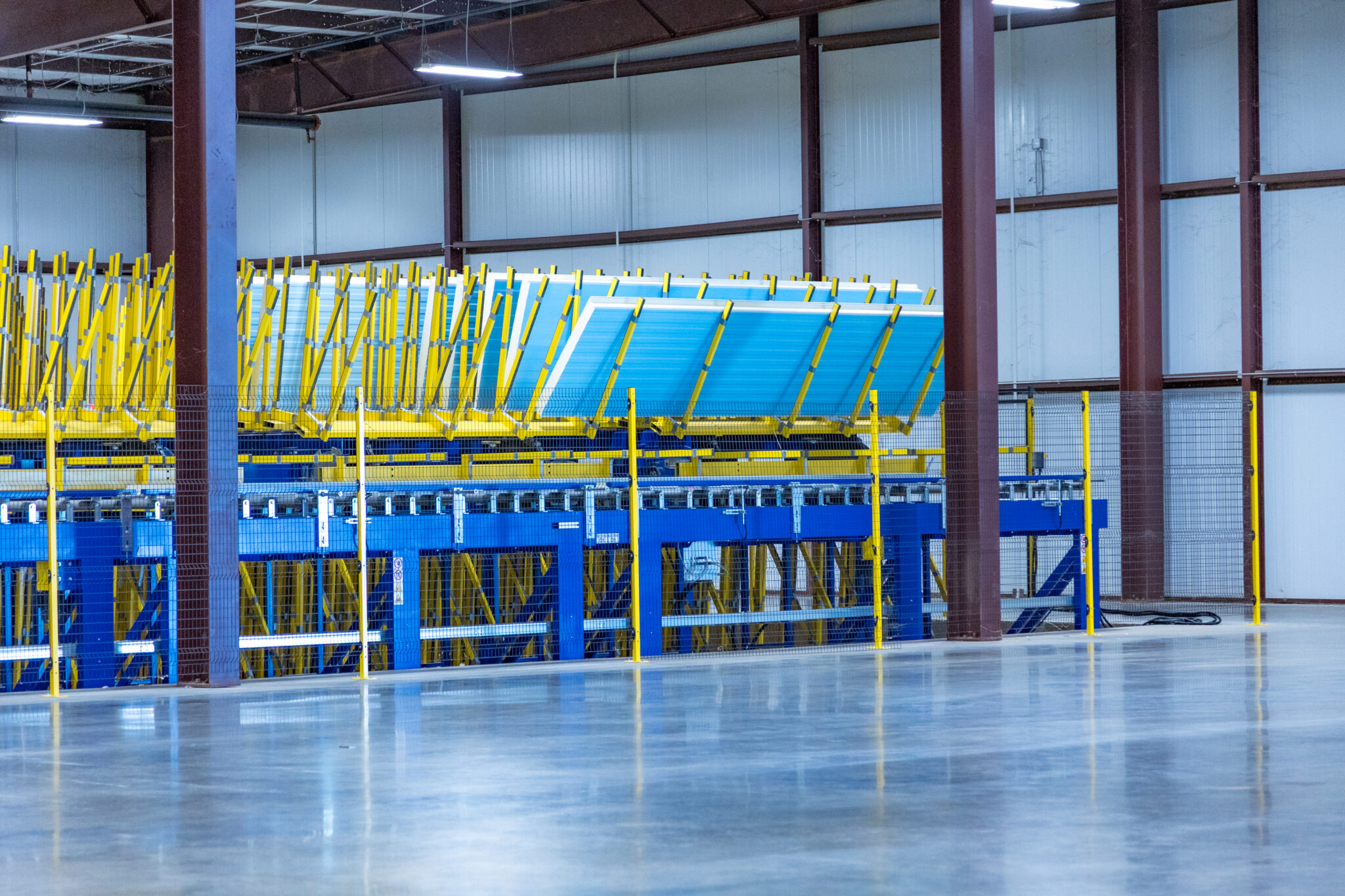
Span capability should never come at the expense of panel performance. PermaTherm engineers panels that deliver both structurally favorable panel and thermal results, ensuring long-term durability and reliability.
As a leading insulated metal panel manufacturer, PermaTherm supports customers with not only high-performing products, but also the technical resources and expertise needed to design with confidence.
For detailed span information, technical documentation, and industry insight, visit permatherm.com—and build with panels engineered to do more.
Panel span is influenced by panel thickness, insulation core properties, metal facings, bonding strength, and design loads such as wind and snow. All of these factors are engineered into PermaTherm panels.
Longer spans reduce the need for secondary framing like girts and purlins, which lowers material costs, labor time, and installation complexity while speeding up construction.
With PermaTherm panels, no. Because the panels are manufactured with higher insulation density, they maintain both structural strength and thermal efficiency—even at longer spans.
PermaTherm publishes panel span tables and technical documentation in the Resources section of our website, giving project teams access to reliable, design-ready information.
Reviewing span data early allows designers to optimize structural layouts, avoid overdesign, and maximize material efficiency—leading to smarter, more cost-effective building solutions.

