 PermaTherm Pete March 26, 2026
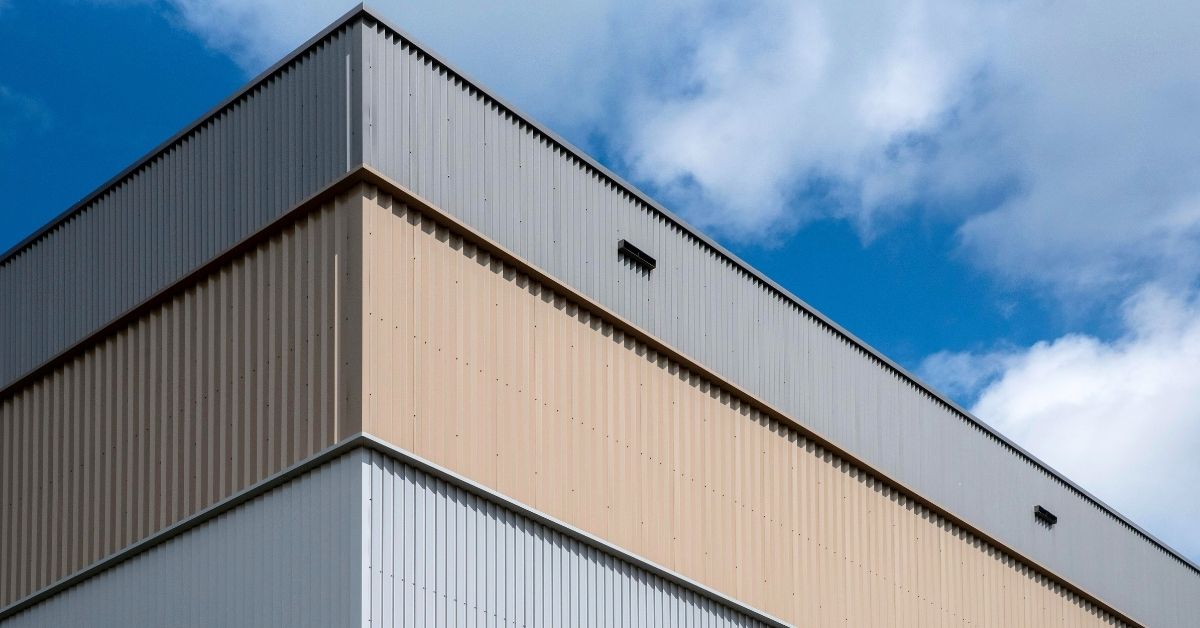
Insulated metal panels (IMPs) are engineered to provide excellent thermal performance, airtightness, and long-term durability. However, even the best panel systems can underperform when installation errors occur. In most cases, IMP leaks and energy loss are not caused by defective materials, but by avoidable installation mistakes that go unnoticed during construction.
For contractors, architects, and facility owners, understanding what to look for during a job walk is critical. Identifying panel air leakage early helps prevent moisture intrusion, rising energy costs, and expensive remediation after occupancy. This guide breaks down the most common insulated metal panel installation mistakes, explains why they matter, and shows how to recognize warning signs before they become serious problems.
Insulated metal panel installation mistakes refer to errors made during panel handling, placement, sealing, fastening, or detailing that compromise the system’s air, water, or thermal performance. These issues often appear minor during construction, but they can significantly impact how the building envelope performs over time.
Common contributors include:
When these mistakes occur, they create pathways for air and moisture to bypass the panel system, leading directly to IMP leaks and panel air leakage.
Insulated metal panels function as a continuous insulation and air barrier system. Their effectiveness depends on maintaining that continuity across every joint, transition, and penetration. When even one weak point exists, air and moisture will exploit it.
Small installation errors can allow uncontrolled air movement through the building envelope, reducing the effective R-value of the wall system and increasing HVAC loads. Over time, moisture intrusion can lead to corrosion, insulation degradation, and interior damage. Because these failures often occur behind the panels, they may remain hidden until performance problems or visible damage appear. This is why preventing insulated metal panel installation mistakes is essential for protecting long-term energy efficiency and durability.
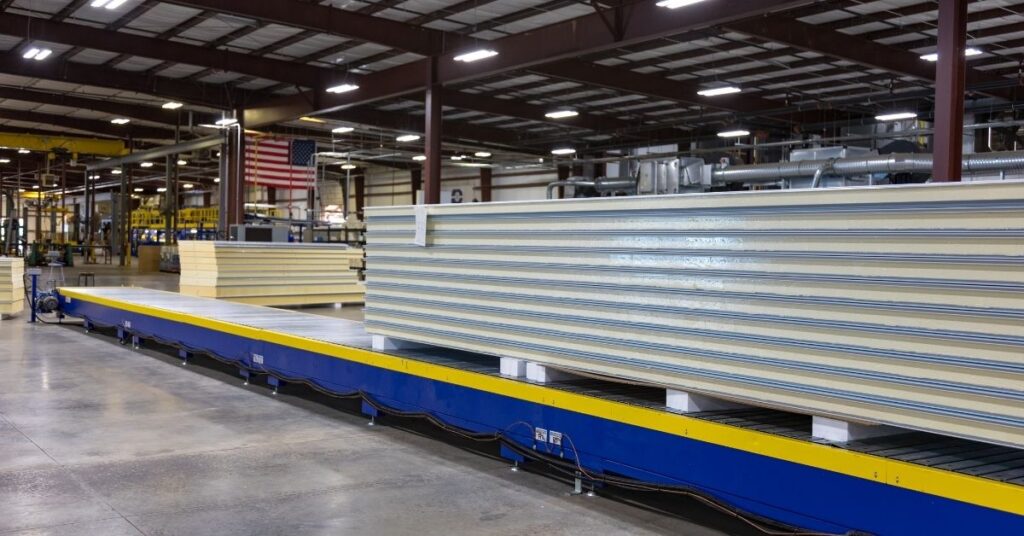
Panel joints are designed to interlock precisely to maintain airtightness and water resistance. When panels are misaligned, joints may appear closed while still allowing air and water to pass through. Uneven reveals, inconsistent joint spacing, or panels that look forced into place during a job walk often indicate future IMP leaks.
Sealant is critical to preventing panel air leakage, yet it is frequently applied incorrectly. Using the wrong sealant type, applying too little material, or contaminating surfaces before installation can all compromise joint performance. Over time, these issues allow air and moisture to bypass the panel system, especially under high-pressure or extreme-climate conditions.
Fasteners must be installed to the correct torque to maintain panel integrity. Over-tightening can compress panel faces and damage the insulation core, while under-tightening allows movement that breaks seals. Both conditions increase the risk of air leakage and moisture intrusion. Distorted panel faces around fasteners are a common red flag during inspections.
Insulated metal panels expand and contract with temperature changes. If thermal movement is not properly accommodated, panels may buckle, joints may separate, and sealants may crack. These failures often show up as stressed joints or split sealant lines during job walks and are a frequent source of long-term leaks.
Roof-to-wall transitions are among the most vulnerable areas of the building envelope. These locations require precise detailing and coordination between trades to maintain air and water continuity. Many IMP leaks originate at these interfaces when responsibilities are unclear or when details are not executed correctly.
Flashing is designed to direct water away from the building envelope. When flashing is missing, misaligned, or improperly lapped, water can bypass the insulated metal panels and become trapped behind them. During inspections, poorly installed flashing often manifests as staining, corrosion, or moisture accumulation near seams.
While IMPs often serve as the primary air barrier, their performance depends on continuous connections at all edges and penetrations. Discontinuities at terminations or interfaces with other systems can undermine the entire envelope. Tracing the air-barrier line during a job walk helps identify gaps that may lead to persistent air leakage in panels.
Insulated metal panels can be compromised before installation even begins. Poor handling, stacking panels directly on the ground, or exposing them to moisture can damage edges, deform joints, or affect the insulation core, preventing proper engagement once installed. Even minor edge damage can lead to panel air leakage and future IMP leaks. Hence, during a job walk, look for bent panel ends, dented skins, or signs of moisture intrusion that may signal performance issues before the system is fully assembled.
Cutting, drilling, or notching panels in the field without proper detailing can expose insulation cores and create unsealed openings. These modifications often become hidden sources of air leakage and moisture intrusion. Following manufacturer-approved methods is essential to preserving system performance.
Even well-installed systems can fail if no final inspection is performed. Skipping quality control checks allows small issues to go unnoticed until IMP leaks or energy loss appear after occupancy. Because it’s nearly impossible to visually confirm how tight panel joints are once installation is complete, the best way to prevent this mistake is to work with seasoned installers who understand proper panel engagement, fastening, and vapor barrier integration from the start. A thorough final review, combined with experienced installation, helps ensure joints, sealants, fasteners, and transitions perform exactly as intended.
Many insulated metal panel performance issues only become apparent after the building is powered on and fully operational. Once HVAC systems are running and interior spaces are conditioned, pressure differentials can expose weaknesses that weren’t visible during installaion. While some problems require formal testing to confirm, early signs of IMP leaks and panel air leakage often reveal themselves during a job walk conducted after the building is in use.
Common indicators include:
When insulated metal panels are installed correctly, they deliver exceptional airtightness, thermal efficiency, and durability. Proper installation reduces energy consumption, improves occupant comfort, and minimizes maintenance costs over the life of the building.
High-performance IMP systems also help projects meet energy codes and sustainability goals while protecting the owner’s investment. Using quality panel systems and following proven installation practices ensures the building envelope performs as designed.
Insulated metal panels can deliver outstanding performance, but only when they are installed correctly. Understanding the most common insulated metal panel installation mistakes and knowing how to identify early warning signs during a job walk can prevent IMP leaks, panel air leakage, and unnecessary energy loss.
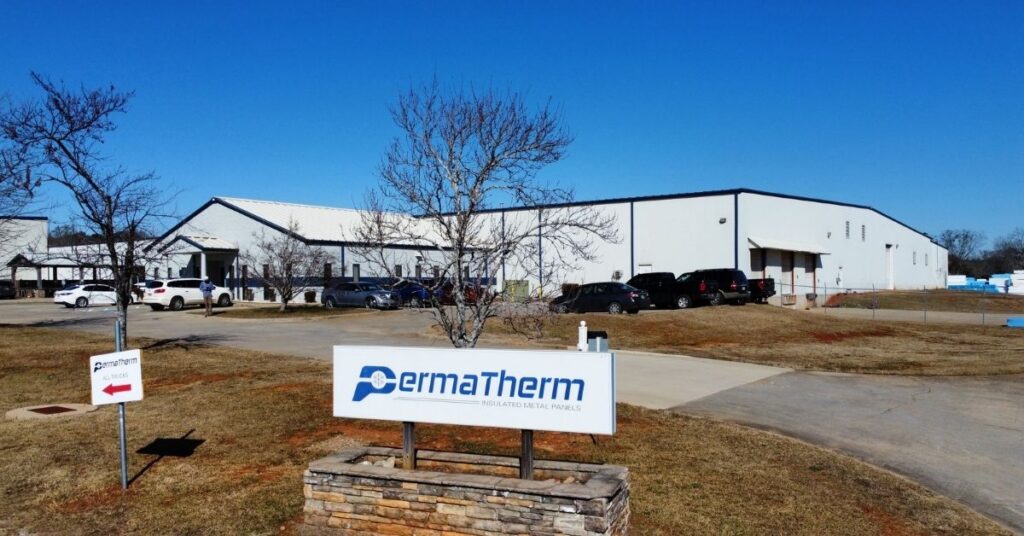
Whether you’re designing, installing, or inspecting an IMP system, attention to detail is critical. Permatherm provides high-performance insulated metal panel solutions backed by technical expertise and proven installation support.
Contact the Permatherm team today to ensure your next project achieves the airtight, energy-efficient results it was designed for.
In most cases, leaks are caused by installation mistakes rather than issues with the panel materials themselves.
The most common mistakes include improper joint alignment, inadequate sealant application, fastener issues, and poor detailing at transitions and penetrations.
Yes. Most IMP leaks result from installation errors rather than material defects, particularly at joints, fasteners, and transitions.
Panel air leakage can often be identified through visual inspections, blower door testing, or infrared scanning, especially around joints and penetrations.
Following manufacturer guidelines, ensuring air barrier continuity, and conducting thorough inspections are key to preventing energy loss.

