 PermaTherm Pete March 25, 2026
 When evaluating insulated metal panels (IMPs), R-value is often the first performance metric discussed—and for good reason. R-value plays a critical role in energy efficiency, temperature stability, and long-term operating costs. However, not all R-values are created equal, and understanding how a panel achieves its thermal performance is just as important as the number itself.
At PermaTherm, R-value is not treated as a marketing checkbox. It is the result of intentional manufacturing decisions designed to produce a superior-performing panel.
R-value measures resistance to heat flow. Simply put, the higher the R-value, the better the panel’s insulating capability. For facilities such as cold storage, food processing, and industrial environments, higher R-values help maintain consistent interior conditions and reduce energy demand over the life of the building.
But published R-values only tell part of the story.
PermaTherm achieves higher R-values because of how our panels are made—not because of shortcuts or inflated claims.
A key differentiator is insulation density.
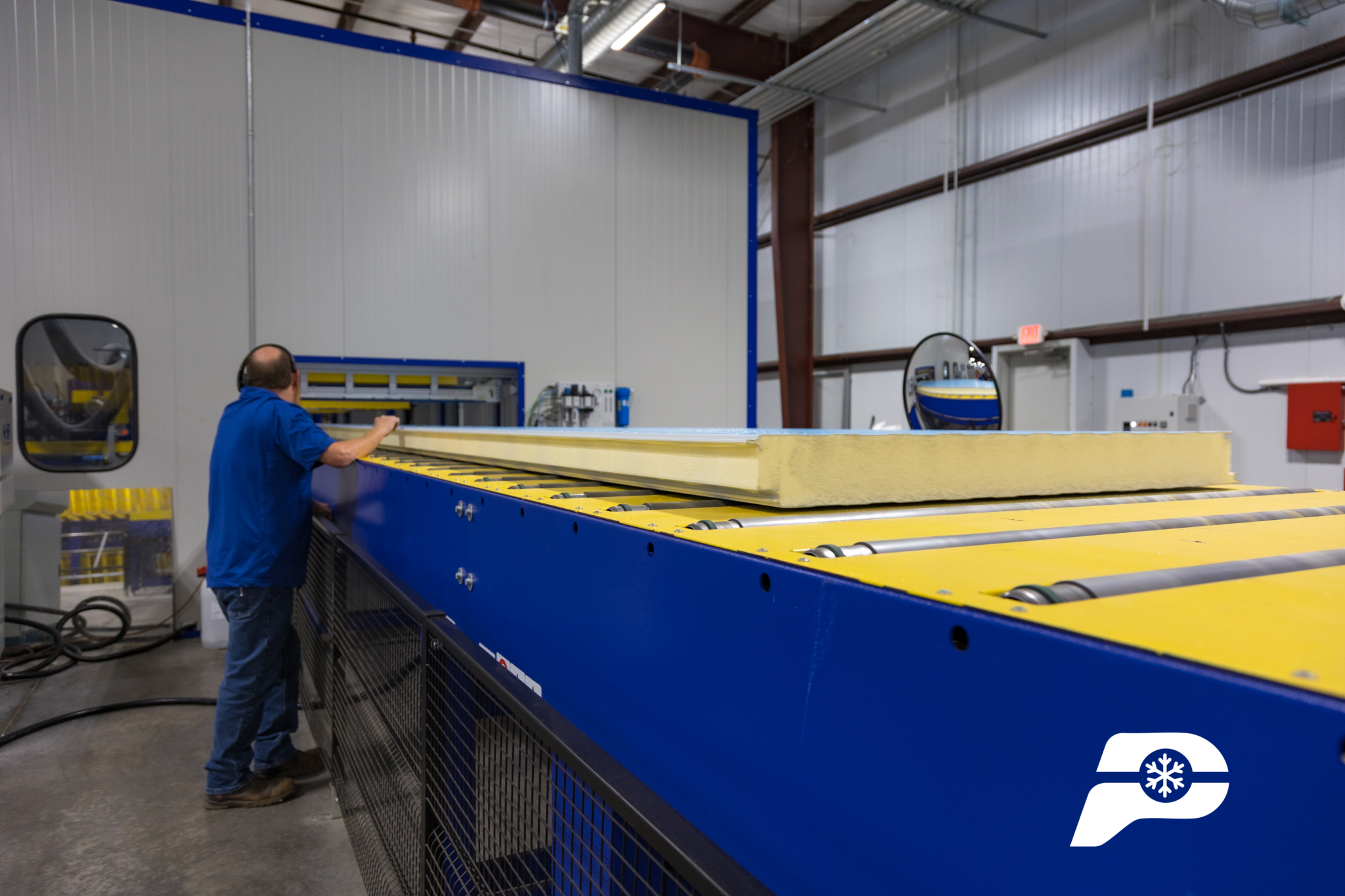
PermaTherm manufactures insulated metal panels with greater core density than much of the industry, resulting in:
Higher density insulation means fewer voids, better insulating cell stability, and stronger overall panel integrity. This commitment to manufacturing quality is intentional—we believe better panels start on the production floor.
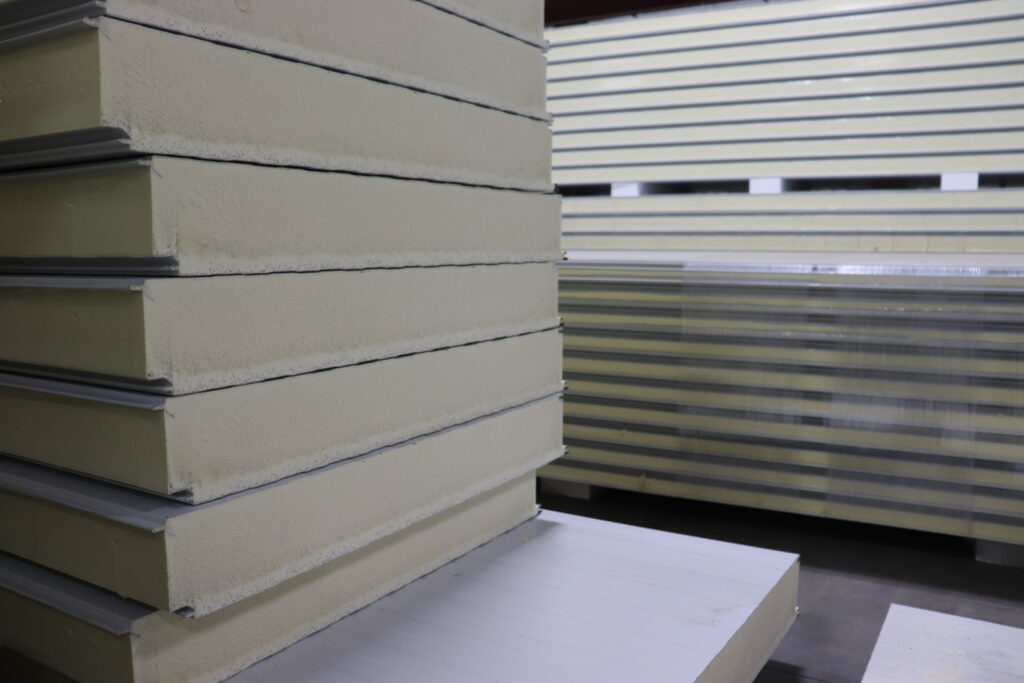
Many panels are designed to meet minimum density requirements. This may produce lower material costs during manufacturing. PermaTherm designs panels to exceed expectations.
Our focus on density, consistency, and precision manufacturing results in panels that perform in real-world conditions—not just in controlled testing environments. The outcome is a higher-performing building envelope and long-term value for owners and operators.
True thermal performance depends on more than insulation alone. Panel spans, installation quality, and system design all influence how well a building performs.
That’s why PermaTherm takes a holistic approach—engineering panels that balance thermal efficiency and structural capability.
As a leading manufacturer of insulated metal panels, PermaTherm provides more than products—we provide insight. Our website, permatherm.com, serves as a resource for designers, contractors, and owners seeking reliable, technically grounded information on panel performance, applications, and system design.
When R-value matters, experience and manufacturing discipline matter even more.
PermaTherm achieves higher R-values by manufacturing panels with greater insulation core density than much of the industry. Higher density improves thermal resistance, consistency, and long-term performance, resulting in a superior insulating panel.
Yes—in a positive way. Higher density insulation improves panel strength and stability, helping maintain performance over time and reducing the risk of thermal degradation or inconsistencies within the panel core.
Not every application requires the highest possible R-value, but projects that demand energy efficiency, temperature control, and operational consistency—such as cold storage or food processing, along with large scale conditioned spaces—benefit significantly from higher-performing panels.
Manufacturing precision directly affects how a panel performs once installed. Consistent density, strong bonding, and tight tolerances ensure the R-value tested in the lab closely reflects performance in the field.
PermaTherm provides technical resources, product information, and industry insights at permatherm.com, making it easy for designers and contractors to evaluate panel performance with confidence.

